
Category: Homestead Economics | Off Grid on a Shoestring Budget
Hey there, friends! Welcome back to the 7 Kin Homestead blog. If you’ve been sitting on the sidelines, scrolling through videos of rolling hills and solar arrays while feeling like that life is just a distant dream, we need to have a real heart-to-heart.
For years, many of us have looked at the idea of "going off-grid" as a retirement plan or a "maybe one day" scenario. But as we step further into 2026, the world is shifting in ways that make this move not just a dream, but a necessity for many. We’ve been living this life, making the mistakes, and reaping the rewards, and we’ve never been more convinced: this is your year to stop watching and start doing.
This blog post is based on our video: 5 Reasons 2026 is Your Year to Go Off-Grid.
1. Financial Sustainability: Flipping the Script on Rent vs. Land
Let’s talk about the elephant in the room: money. One of the biggest myths we hear is that you need a massive inheritance or a tech-mogul's bank account to get started. The truth is, if you’re looking for how to live off grid with no money, you have to change how you view your monthly expenses.
Think about what you pay in rent or a traditional mortgage right now. That money is essentially disappearing into someone else’s equity or a bank's profit margin. You are paying for the privilege of staying in a system that doesn't belong to you. When you shift toward off grid living on a budget, your initial costs might feel daunting, raw land, a basic solar setup, water catchment, but every dollar you put into your own soil is an investment in your freedom.
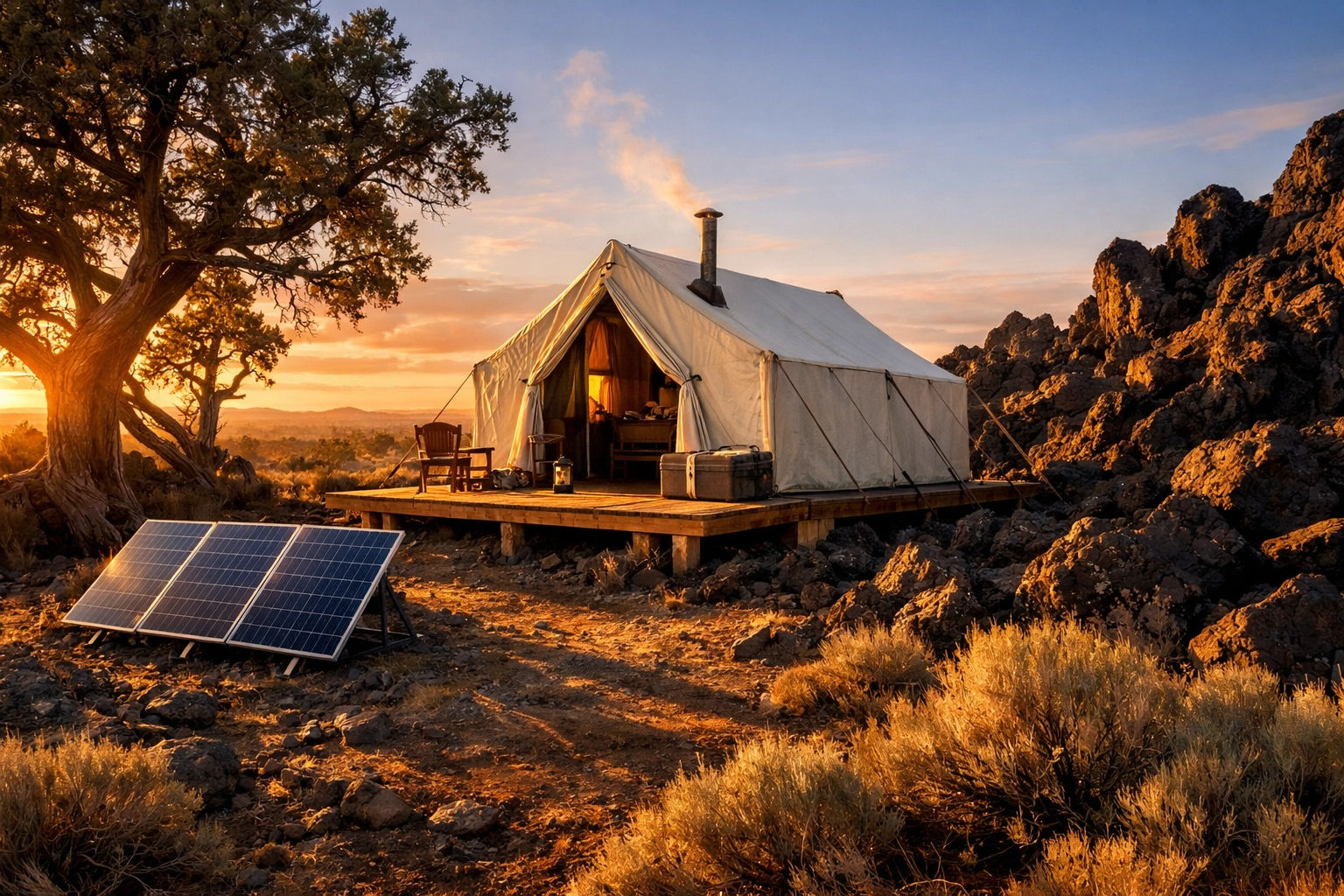
In 2026, the cost of living in urban centers is only going up. By choosing a "shoestring budget" approach on raw land, you are essentially "paying yourself" the rent you used to give away. Even if you start with nothing but a tent and a dream, that land belongs to you. That is the ultimate financial hedge.
2. Off-Grid Living as a Quiet Protest and Ultimate Sovereignty
There is a remarkable power in saying "no." Not with a sign in the street, but with your lifestyle. Living off-grid is one of the most profound forms of protest and sovereignty available to us today.
When you generate your own power, catch your own water, and grow a portion of your own food, you are opting out of a dependency loop that keeps so many people stressed and overworked. You’re no longer a line item on a utility company's spreadsheet. You aren't vulnerable to the next big rate hike or "service disruption."
We believe that true sovereignty is found in the dirt. It’s found in the ability to maintain your own systems and provide for your own kin without asking for permission from a corporate entity. This isn't just about survival; it’s about an exquisite level of independence that allows you to live according to your own values, rather than someone else's bottom line.
3. The Cattle Ranch Analogy: Breaking Free from the Feedlot
To understand why we are so passionate about this, we often use the cattle ranch analogy. In the modern industrial system, most people are like cattle in a feedlot. Everything is provided for them, the water, the grain, the shelter, but at the cost of their freedom and, eventually, their well-being. They are dependent on the hand that feeds them, and that hand always has an ulterior motive.
When you go off-grid, you become the wild cattle on the range. Sure, you have to find your own water. You have to navigate the weather and the terrain. It’s harder work, but you are free. You aren't being "fattened up" for someone else's benefit.
In 2026, the "feedlot" is becoming increasingly unstable. The systems we’ve relied on for decades are showing cracks. Breaking free now means you won't be trapped when those systems can no longer provide what you need. It’s about reclaiming your wildness and your agency.
4. Hedging Against an Uncertain Future
Let's be authentic here: the world feels a bit shaky. Between economic shifts, global instability, and the sheer pace of technological change, many of us feel a sense of unease. This is where sustainable living tips move from being "hobbies" to being vital life skills.
Living off-grid is the ultimate insurance policy. When you have a wood stove for heat, a gravity-fed water system, and a pantry full of preserved food, the "scary" headlines lose their power over you. You aren't living in fear of a supply chain collapse because you've built your own local supply chain right on your homestead.
We’ve found that the peace of mind that comes from knowing you can thrive regardless of what happens in the "outside" world is worth more than any traditional investment. Whether it's inflation or global tension, your land remains your sanctuary. It’s a place where you can breathe, grow, and protect what matters most.
5. Trading "Bad Problems" for "Good Problems"
One of the biggest secrets we share with our community is that off-grid life isn't "easy." You will still have problems. But the magic lies in the type of problems you’re solving.
In the corporate world, your problems are often abstract and soul-crushing: a missed deadline, a broken printer, a passive-aggressive email, or a commute that eats two hours of your life. These are "bad problems" because they don't lead to any personal growth or tangible benefit for your family.
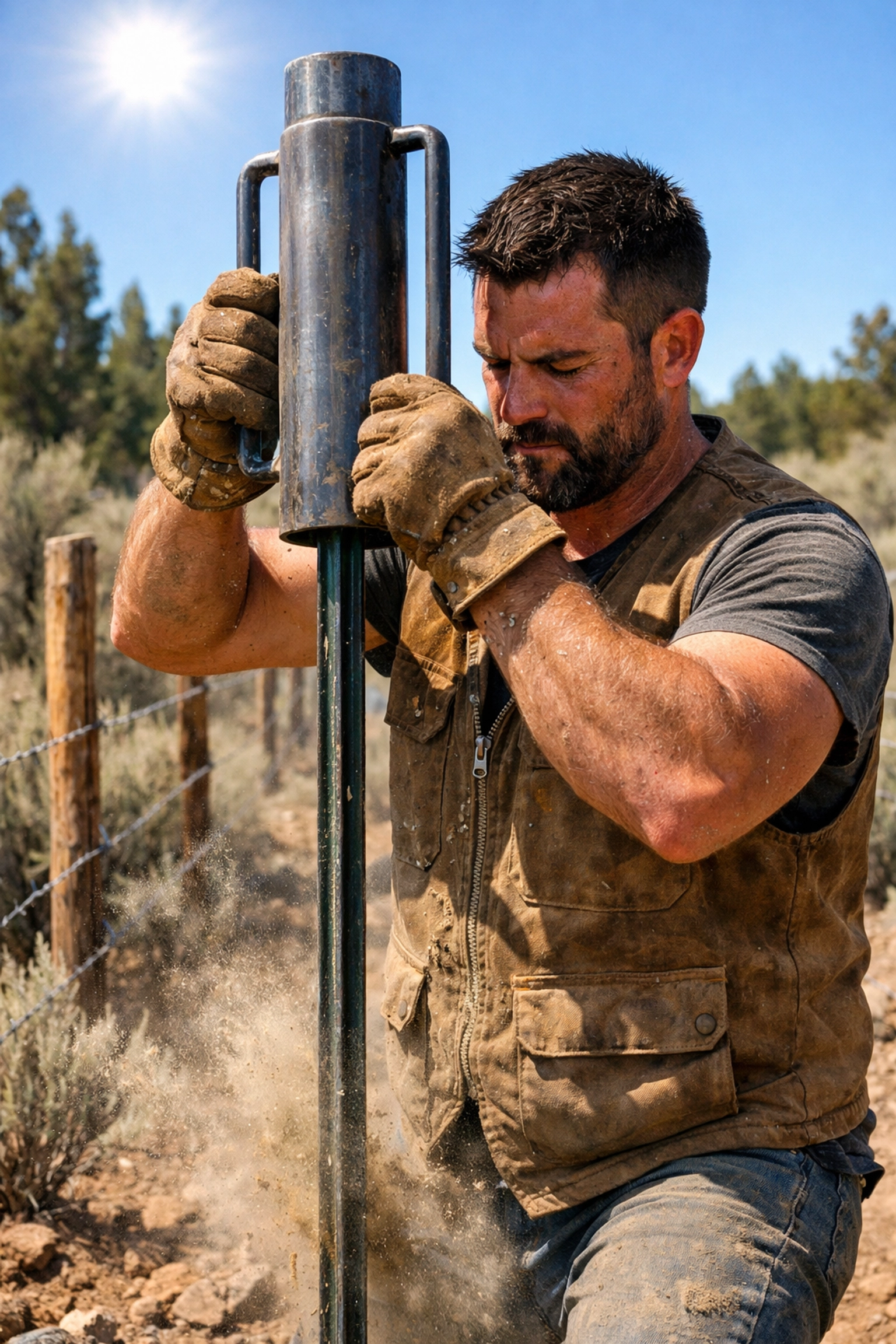
On the homestead, your problems are "good problems." A fence line is down. The solar batteries are running low on a cloudy day. The garden needs weeding. These problems are physical, immediate, and meaningful. When you fix a fence, you’ve secured your animals. When you manage your power, you’ve mastered your environment.
Trading the corporate hamster wheel for the meaningful work of the land is how you move from just surviving to truly thriving. It’s about finding fulfillment in the dirt and the sweat, knowing that every ounce of energy you expend is building a legacy for your family.
Why Not Now?
If you’re still asking how to live off grid with no money, the answer is: start where you are with what you have. You don't need a 50-acre ranch to start practicing self-reliance. Start a container garden. Learn how to compost. Research raw land prices in areas you’ve never considered. Check out our about page to see how we started our journey from scratch.
The year 2026 is an invitation. It’s an invitation to step into a life that is enchanting, remarkable, and entirely yours. The transition can be scary, but we promise you, the view from the other side is exquisite.
Stop watching us do it. Stop watching the world go by. It’s time to embark on your own adventure. If you need a roadmap, we’ve got plenty of resources on our blog to help you navigate the economics and the practicalities of this life.
Join the Movement
We are building a community of folks who are tired of the status quo and ready to thrive. This isn't just about us; it's about all of us reclaiming our sovereignty. Whether you’re looking for sustainable living tips or just a bit of inspiration to get you through the work week, we’re here for you.
Are you ready to make 2026 the year you finally break ground? What’s the one thing holding you back right now? Let us know in the comments or join our community discussions. Let’s unravel the complexities of the system together and build something magnificent.
Start your adventure today. Your future self will thank you.
For more information on our journey and how you can start yours, feel free to explore our sitemap or contact us directly. We’re all in this together!